Organizing is Not Compliance
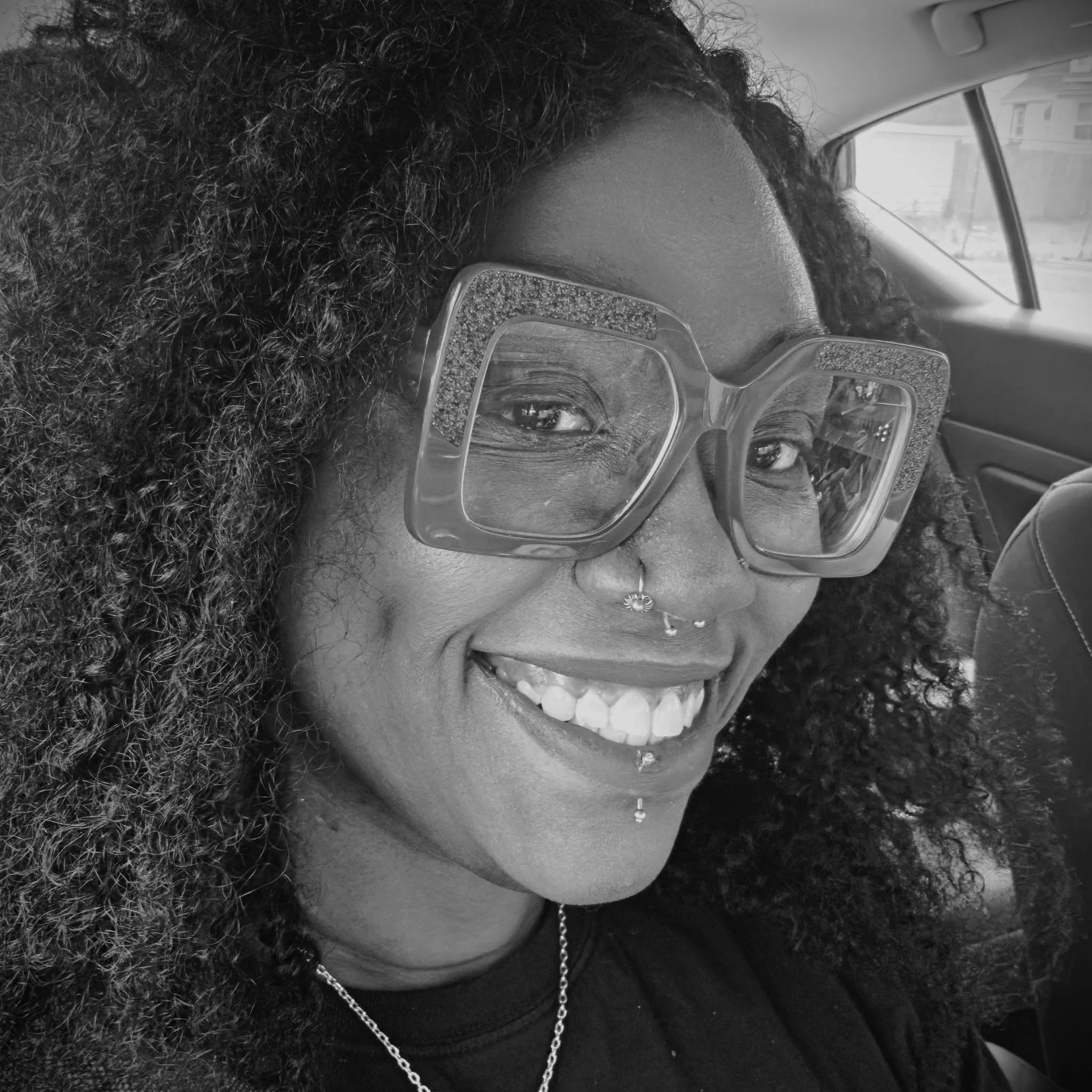
This essay first appeared on Davette Baker’s Facebook.
I have been sitting with the Wisconsin Democratic primary results for a couple of days, and apparently Tony Evers decided I wasn't irritated enough. But before we have another conversation about Wisconsin Democrats and “unity,” I need to remind folks of something:
I used to work for these people.
I worked for the WisDems. I also organized for the Human Rights Campaign.
So when I criticize Democratic organizing in Wisconsin, I am not Monday-morning quarterbacking somebody else's field program. I have been the organizer trying to execute the strategy. And the difference between those two organizing experiences taught me a lot.
HRC has plenty of its own institutional problems—including a long history of being far too centered around white, cisgender, affluent gay men. We can have THAT conversation too. But organizing around LGBTQ+ issues still meant organizing an extraordinarily diverse group of people. My alphabet gang contains Black people, white people, Latinos, working-class people, wealthy people, suburban people, rural people, conservatives, liberals, progressives, trans folks, cis folks and everybody in between.
The common denominator was an issue that affected people's lives. And that made organizing fundamentally different.
At the WisDems, I was trying to organize people who looked like me in neighborhoods Democrats desperately needed. At one point they wanted me working on rebuilding the kind of neighborhood-team infrastructure that had been successful during the Obama years. And it wasn't working.
When I raised that problem, the answer was essentially: You need to talk to more people.
Okay.
But how?
People would show up thinking I was offering them a job. Then I had to explain that, no, I was asking them to volunteer their time to build a Democratic neighborhood team. And I kept trying to explain: The problem isn't that I haven't asked enough people. The problem is that what we're offering isn't connecting to anything tangible in their lives.
You cannot organize people by handing them an organizational structure they never asked for and then blaming the organizer—or worse, the community—when nobody shows up. You have to start with:
What matters to you?
What is happening on your block?\
What is making your life harder?
What would make it better?
And what can we build together to do something about it?
THAT is organizing.
Which brings me right back to Francesca Hong, David Crowley, Tony Evers and the 300,000+ Wisconsin Democrats who voted for Francesca. When Evers was asked what his message was to Hong voters, his first response was:
“They have to play along.”
He immediately corrected himself:
“Not play along—they have to be part of it.”
I'm going to be fair enough to include the correction. But then he was asked whether David was going to get behind some of the things Francesca talked about. His answer? “No.”
Do y'all hear the organizing problem yet?
Because I have literally worked inside a version of it. You cannot say:
We need you.
We need your vote.
We need your doors.
We need your volunteer hours.
We need your neighborhood.
And then, when people tell you what motivated them to participate, answer:
No. But please join the team.
That's not coalition building. That's asking for compliance.
And before somebody starts listing David Crowley's résumé for me:
I know.
I remember David Crowley the organizer.
I remember David Crowley and David Bowen doing boots-on-the-ground organizing in Milwaukee.
I know there are real accomplishments from David's time as Milwaukee County Executive. I'm not interested in pretending otherwise just because Francesca was my preferred candidate. That's actually part of why I'm asking more of him. David understands organizing.
He knows you don't build power by telling people what they ought to care about. You listen for what already moves them, figure out where your interests intersect, and organize from there.
And 300,000+ Wisconsin Democrats just told him something.
They voted for paid leave.
They voted for fully funded public schools.
They voted for child care.
They voted for health care.
They voted for a different approach to data centers and corporate power.
They voted for an economic argument about who Wisconsin government is supposed to work for.
David does not have to become Francesca Hong. He doesn't have to copy and paste her platform. He doesn't have to suddenly become a Democratic Socialist. But for Tony Evers to answer “No” when asked whether David might get behind some of the things Francesca talked about?
That is politically and organizationally ridiculous. David won about 39.8%. Francesca won about 39.4%. Y'all. That's practically a coalition negotiation delivered by ballot. So call Francesca. Call her team. And somebody please call Becky Cooper, because clearly that campaign figured out how to make more than 300,000 Wisconsin Democrats give a shit about something.
Ask them:
What did you hear at the doors?
What moved people?
What can we do now?
What requires legislation?
Where do David and Francesca already agree?
Where can they negotiate?
Where shouldn't they?
Because Francesca didn't disappear when she lost the primary. Her voters didn't disappear either. And David is going to need them.
And while we're talking about Wisconsin political history, can we PLEASE remain curious about this:
Twenty-three Wisconsin counties voted Obama → Obama → Trump.
Sit with that. Those weren't all lifelong Republicans who suddenly crawled out of the cornfields. Some people who responded to Obama's promise of hope and change later responded to Donald Trump's populism.
That does NOT mean Francesca automatically could have won those voters. It doesn't mean everybody who switched did it for the same reason. Racism mattered. Misogyny mattered. Economic anxiety mattered. Anti-establishment sentiment mattered. That's exactly why we should have been studying those voters like our political lives depended on it.
What did Obama activate that Democrats subsequently lost?
What did Trump activate?
How many people stopped believing Democrats were materially improving their lives?
How many responded to populism even when the person selling it was Donald fucking Trump?
And how long are Democrats going to treat neoliberalism itself as something we're not allowed to interrogate?
Because “electability” cannot forever mean finding the candidate least likely to frighten the donor class and then spending the general election begging everybody else to understand the stakes.
And I need my fellow Black folks to stay curious here too. I understand the significance of David Crowley's candidacy. Representation matters. But representation and liberation are not synonyms.
We still have to interrogate policy.
We still have to ask who benefits.
We still have to ask who gets left behind.
We cannot surrender our political curiosity because somebody looks like us.
A Black politician deserves the same substantive questions I would ask anybody else:
What are you going to do with power?
Who are you accountable to?
And how will the lives of Black people materially change because you were there?
And let me eliminate the inevitable argument right now:
I am voting for David Crowley in November. Tom Tiffany becoming governor is unacceptable. But voting for somebody does not require me to stop organizing them.
It doesn't require Francesca voters to disappear.
It doesn't require progressives to shut up.
And it sure as hell doesn't mean the Democratic Party gets 300,000+ votes without asking what those voters were trying to tell them.
I've been on those doors.
I've tried to recruit those neighborhood teams.
I've watched Democratic infrastructure struggle to get people engaged and then diagnose the problem as: We just haven't contacted enough people.
Sometimes the problem isn't the number of doors you're knocking. Sometimes the problem is what you're offering when the door opens. So no, I don't want to hear that Francesca Hong's voters need to “play along.” I want David Crowley to look at 300,000+ people who organized around an agenda and say:
I heard you. Now let's figure out what we can build together.
Because unity isn't everybody shutting up and falling in line behind the winner.
Unity is listening.
Unity is negotiation.
Unity is shared power.
Unity is something you organize.
And Wisconsin Democrats should know that by now.